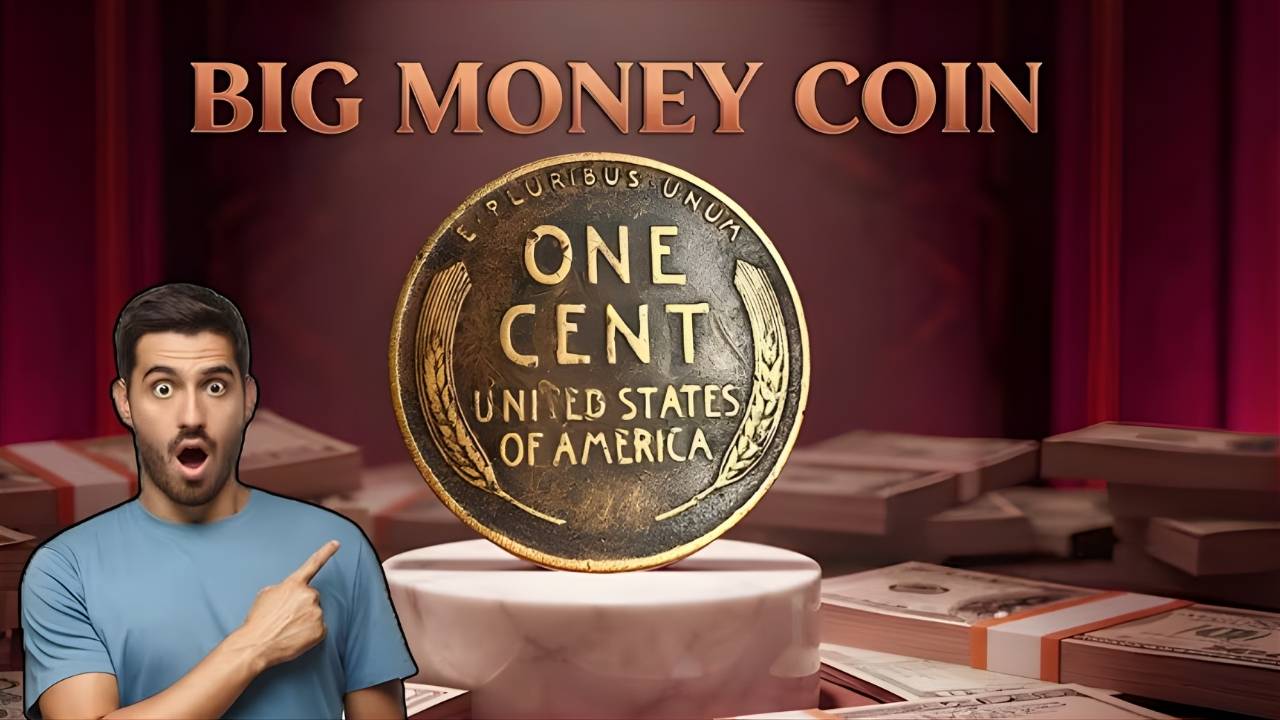
Hidden Treasure in Your Pocket: Everyday pocket change can sometimes hold secrets worth far more than their face value. Among the most fascinating examples are old Wheat Pennies, small copper coins that were minted in the United States from 1909 to 1958. While most Wheat Pennies are common and worth only a few cents, certain rare varieties have become hidden treasures, commanding prices that reach thousands of dollars. For collectors and enthusiasts, these coins are more than currency. They are pieces of history, artifacts of American culture, and potential investments. This article explores the world of Wheat Pennies, highlighting their history, rarity, and the reasons why some of them are worth big money.
The History of Wheat Pennies
The Wheat Penny was first introduced in 1909 to celebrate the centennial of Abraham Lincoln’s birth. It was the first coin in American history to feature a real person rather than a symbolic figure. Designed by Victor David Brenner, the obverse shows Lincoln’s portrait, while the reverse features two stalks of wheat, symbolizing prosperity and abundance. The coin quickly became popular and remained in circulation for nearly fifty years. In 1959, the reverse design was replaced with the Lincoln Memorial, but the Wheat Penny continues to be cherished by collectors for its historical significance and classic design.

Why Wheat Pennies Are Valuable
Not all Wheat Pennies are valuable, but certain factors can make them worth big money. Rarity is the most important element. Coins that were minted in small numbers or contain errors are highly sought after. Condition also plays a crucial role. A coin that has been preserved in pristine, uncirculated condition can be worth exponentially more than one that has been worn down through circulation. Historical significance adds another layer of value, as coins tied to important events or anniversaries often attract collectors. Finally, demand drives prices higher, as collectors compete to own rare specimens.
The 1909 S VDB Wheat Penny
One of the most famous and valuable Wheat Pennies is the 1909 S VDB. This coin was minted in San Francisco and features the initials of the designer, Victor David Brenner, on the reverse. Only a limited number were produced before the initials were removed due to controversy, making the coin extremely rare. Today, the 1909 S VDB Wheat Penny can sell for thousands of dollars, depending on its condition. Collectors prize it not only for its rarity but also for its connection to the beginning of the Lincoln cent series.

The 1914 D Wheat Penny
Another hidden treasure is the 1914 D Wheat Penny, minted in Denver. With a low mintage of just over one million coins, it is one of the rarest in the series. Finding one in good condition is especially difficult, as most were heavily circulated. High-grade examples can command prices in the tens of thousands. The 1914 D Wheat Penny is considered a key date coin, meaning it is essential for completing a full collection of Wheat Pennies. Its scarcity and historical significance make it a prized possession among numismatists.
The 1922 No D Wheat Penny
The 1922 No D Wheat Penny is a fascinating error coin. It was minted in Denver, but due to a worn die, some coins were struck without the “D” mint mark. This error went unnoticed at the time, but collectors later discovered its rarity. Today, the 1922 No D Wheat Penny is highly sought after, with values reaching thousands of dollars. Error coins like this highlight the imperfections of the minting process and add intrigue to the world of coin collecting.
The 1943 Copper Wheat Penny
Perhaps the most legendary of all Wheat Pennies is the 1943 Copper Penny. During World War II, the United States Mint switched from copper to steel to conserve resources for the war effort. However, a few copper planchets were mistakenly used, resulting in extremely rare 1943 Copper Wheat Pennies. Only a handful are known to exist, and they have sold for hundreds of thousands of dollars at auction. This coin is considered one of the ultimate treasures in American numismatics, combining rarity, history, and immense value.
The 1955 Double Die Wheat Penny
The 1955 Double Die Wheat Penny is another famous error coin. Due to a mistake during the minting process, the lettering on the obverse appears doubled, creating a striking visual effect. This error was quickly noticed by the public, and the coin became a sensation. Today, the 1955 Double Die Wheat Penny is one of the most popular error coins among collectors, with values ranging from hundreds to thousands of dollars depending on condition. Its distinctive appearance makes it easy to identify and highly desirable.
How to Identify Valuable Wheat Pennies
Identifying valuable Wheat Pennies requires careful observation. Collectors should pay attention to the year and mint mark, as certain dates and locations are rarer than others. Errors such as missing mint marks, doubled lettering, or unusual coloration can also indicate value. Condition is critical, so coins should be examined for signs of wear, scratches, or discoloration. Using magnification tools can help spot small details that might otherwise go unnoticed. Professional grading services can provide an accurate assessment of a coin’s condition and authenticity, adding credibility and value to a collection.
The Joy of Collecting Wheat Pennies
Collecting Wheat Pennies is more than just a pursuit of wealth. It is a journey into history, art, and culture. Each coin tells a story about the era in which it was minted, from the celebration of Lincoln’s legacy to the challenges of wartime America. For collectors, the thrill lies in discovering hidden treasures, whether in an old jar of coins or at a coin show. The excitement of finding a rare Wheat Penny keeps collectors engaged and passionate, making the hobby both rewarding and educational.

Conclusion
Old Wheat Pennies are hidden treasures that remind us of the value that can be found in everyday pocket change. From the 1909 S VDB to the 1943 Copper Penny, these coins have captured the imagination of collectors and historians alike. Their rarity, historical significance, and condition make them worth big money, but their true value lies in the stories they tell. For collectors, Wheat Pennies are more than coins. They are pieces of history, symbols of craftsmanship, and treasures waiting to be discovered. Whether you are a seasoned numismatist or a curious beginner, the world of Wheat Pennies offers endless opportunities to uncover hidden gems and connect with America’s past.