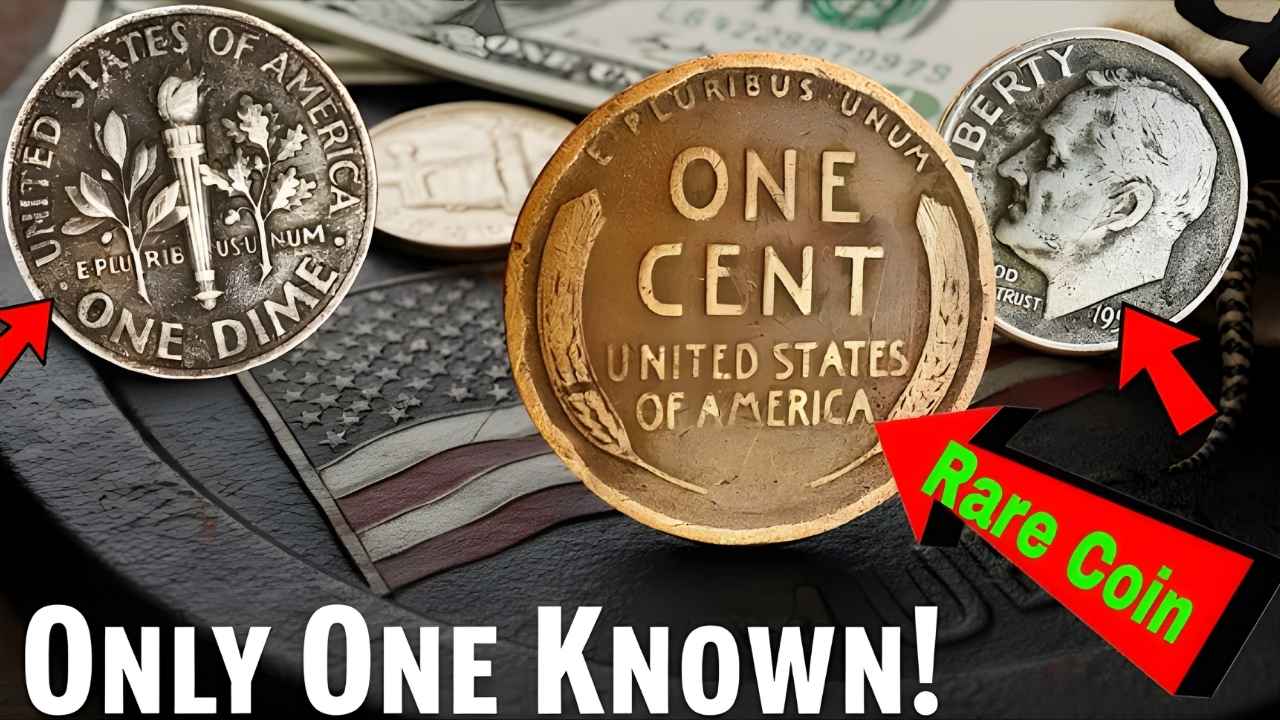
Top 5 Rare U.S. Coins Worth $170K–$430K: Coins are more than just pieces of metal used for everyday transactions. They are miniature works of art, historical artifacts, and sometimes hidden treasures worth far more than their face value. In the world of numismatics, rare U.S. coins have captured the imagination of collectors and investors alike. Some of these coins, often overlooked in circulation, can command prices ranging from $170,000 to $430,000. If you happen to stumble upon one of these rare coins, it is best not to spend it, as its true worth lies far beyond its denomination. This article explores five of the rarest U.S. coins within this value range, highlighting their history, rarity, and significance.
1870-S Seated Liberty Dollar
The 1870-S Seated Liberty Dollar is one of the most elusive coins in American history. Struck at the San Francisco Mint, only a handful are known to exist today. The coin features Lady Liberty seated on a rock, holding a shield and a staff, with an eagle on the reverse. Its rarity stems from the fact that very few were minted, possibly as presentation pieces rather than for circulation. Collectors prize this coin for its scarcity and historical significance, and it has sold for prices well over $400,000. Owning one is considered a pinnacle achievement in numismatics.

1927-D Saint Gaudens Double Eagle
The Saint Gaudens Double Eagle is widely regarded as one of the most beautiful coins ever produced by the United States Mint. The 1927-D variety, struck in Denver, is particularly rare. Out of the original mintage, only a small number survived government recalls and melting during the 1930s. The coin features Lady Liberty striding forward with a torch and olive branch, symbolizing enlightenment and peace. On the reverse, a majestic eagle soars above the sun. The 1927-D Double Eagle has fetched prices in the range of $170,000 to $430,000, making it a highly coveted piece for collectors of gold coinage.
1796 Draped Bust Quarter
The 1796 Draped Bust Quarter holds the distinction of being the very first quarter ever minted in the United States. With a mintage of only 6,146 coins, it is exceedingly rare today. The obverse features Lady Liberty with flowing hair, while the reverse displays a small eagle surrounded by a wreath. Its historical importance as the inaugural quarter adds immense value, and high-grade examples have sold for hundreds of thousands of dollars. Collectors view this coin as a cornerstone of early American coinage, representing the birth of a denomination that remains essential today.

1879 Stella Gold Four Dollar Coin
The Stella Gold Four Dollar Coin is one of the most unusual denominations ever produced by the U.S. Mint. Intended as a prototype for international trade, the coin was never released for circulation. Only a limited number were struck in 1879 and 1880, making them extremely rare. The obverse features a portrait of Liberty, while the reverse displays a star, symbolizing the coin’s name. The Stella has become legendary among collectors, with values ranging from $200,000 to $400,000 depending on condition. Its rarity and unique denomination make it one of the most intriguing coins in American numismatics.
1794 Flowing Hair Half Dollar
The 1794 Flowing Hair Half Dollar is another early American coin that commands extraordinary value. It was among the first half dollars ever minted, with a limited mintage that makes surviving specimens rare. The obverse depicts Liberty with flowing hair, while the reverse shows a small eagle perched within a wreath. Collectors cherish this coin for its historical significance and scarcity. High-grade examples have sold for prices well within the $170,000 to $430,000 range. For numismatists, owning a 1794 Flowing Hair Half Dollar is like holding a piece of the nation’s earliest monetary history.
Why These Coins Are So Valuable
The value of these coins lies in a combination of rarity, condition, and historical importance. Coins with low mintages or unique circumstances surrounding their production often become highly sought after. Condition plays a crucial role, as coins preserved in pristine states can command exponentially higher prices. Historical significance adds another layer of desirability, as coins tied to important events or milestones in American history attract collectors worldwide. Together, these factors create treasures that are worth far more than their face value.
The Thrill of Collecting Rare Coins
For collectors, the pursuit of rare coins is more than just a financial investment. It is a passion that combines history, art, and discovery. Each coin tells a story, whether it is tied to the founding of the nation, the artistry of a renowned designer, or the economic challenges of a particular era. The thrill of finding or acquiring a rare coin is unmatched, and collectors often spend years searching for elusive pieces to complete their collections. These coins are not just objects of value but symbols of dedication and love for numismatics.
Tips for Identifying Rare Coins
Identifying rare coins requires careful observation and knowledge. Collectors should pay attention to mint marks, dates, and design variations, as these often indicate rarity. Errors such as misstrikes or missing details can also increase value. Condition is critical, so coins should be examined for signs of wear, scratches, or discoloration. Using magnification tools can help spot small details that might otherwise go unnoticed. Professional grading services provide accurate assessments of a coin’s condition and authenticity, adding credibility and value to a collection.
Conclusion
Rare U.S. coins worth between $170,000 and $430,000 are treasures that should never be spent as ordinary currency. The 1870-S Seated Liberty Dollar, 1927-D Saint Gaudens Double Eagle, 1796 Draped Bust Quarter, 1879 Stella Gold Four Dollar Coin, and 1794 Flowing Hair Half Dollar each represent unique chapters in American history. Their rarity, artistry, and significance make them highly prized among collectors. For those who discover or acquire one of these coins, the true value lies not in its denomination but in its story. Collecting rare coins is a journey into the past, a celebration of craftsmanship, and a pursuit of hidden treasures that continue to captivate the imagination.